Josh Spector

The New Comedy Circuit (Podcast Ep. 61)

On the “non-question” episode of the podcast, Jordan Cooper and Josh Spector welcome back Chelcie Rice as he wraps up his two-year company spokesperson deal as we apply his experience to other comedians who have a more 360 approach to their comedy career and the concepts of reach and leverage.

We also discuss the shift from the physical comedy “circuit” to the online comedy “circuit”, how creating ephemeral versus evergreen content are two different skill sets, and question if the speed and lack of scarcity online is lowering the standard of comedic material.

[powerpress]

Have a question you’d like us to answer on the next episode? Submit it now through this form.

Participate with the community in our Connected Comedy Facebook group.

If you enjoy the podcast, please rate and review it on iTunes.

Links from this episode:

Scott Aukerman
The Flop House
This Week In Tech
Gary Vaynerchuk
The 10,000 Hour Rule – Malcolm Gladwell
Bill Burr’s Monday Morning Podcast
The Comedian’s Comedian Podcast
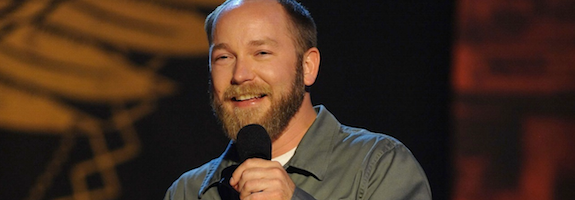
5 Things You Can Learn From Kyle Kinane
Become A Connected Comedy Member

10 Things To Consider Before Asking A Website To Write About You

It’s one thing to create something and post it online, but it’s another to get websites to actually share what you’ve created with their audience.

No matter what you’ve created – a video, a podcast, a funny image, a tweet – the best way to get other websites to feature it is to reach out to them directly and make the ask. But you need to be smart about how you do that and there’s a number of things you can do to make yourself feel more comfortable making the ask and to increase the chances of success.

To help point you in the right direction, here’s some things to consider before you reach out and try to promote yourself around the web.

1. Don’t Be A Spammer

When you decide to promote your content, your first instinct is going to be to post it everywhere and send links to every site you can find. Don’t do that.

No matter how awesome your creation may be, not every piece of content is right for every audience. You should think about what audience is most likely to enjoy the content you’ve created and only send it to sites that reach that audience. It will be much more effective and you’ll be much less likely to piss off bloggers who are wondering why you’re sending them content that doesn’t fit their site.

2. Don’t Be A Stalker

In addition to not spamming people, you also don’t want to stalk people. If you send somebody a link to your latest video and they don’t respond or don’t choose to post it, that’s ok. Most times, that will be what happens. But that’s ok.

What you don’t want to do is keep bugging people about the same video and nagging them to respond to you – eventually you’ll get annoying and they’ll stop considering any of your future videos. Instead, just send them the next video you have that you think their audience will enjoy and be patient.

3. Provide Value

The best way to get somebody to feature your content is to provide value to them beyond just giving them your content. For example, if you’ve got a Facebook or Twitter following of your own, you may want to plug their blog as a way of thanking them for considering sharing your content with their readers.

You might even want to volunteer to help a particular site find funny content or contribute some posts to them, in exchange for them posting some of your own content on their site. The more value you can provide to a site, the more likely that site is to feature your stuff.

4. Become A Member Of A Community Before You Promote To It

The best way to ensure success in promoting your content to a community is to become a member of that community first. This is especially true on social media sites and message boards. It seems obvious, but shockingly few people actually do it.

If you’re thinking of posting your content on a site like Reddit or a message board, it’s a good idea to first join those communities and let people get to know you before you just start asking them to check out your stuff.

Plus, the more you get to know a community, the better sense you’ll have of what that community likes (or hates) which will ultimately help you know whether you’re stuff is a good fit for that site or not.

5. Build A Relationship, Don’t Just Ask For A Favor

This is a HUGE one. If there’s one thing you take away from this article, let it be that ongoing relationships will serve you better than one-off hits.

In all of your promotional activity, you should think in terms of building an ongoing relationship with sites as opposed to just asking for short-term favors. Your goal should be to get to know the people that run the sites you target, or the most influential members of a community so that you’ll have a real relationship with each other as opposed to you just asking them for a favor.

The stronger a relationship you can build, the easier it will ultimately be to promote your creations.

6. Not Everything’s For Everyone

A lot of times comedians make the mistake of thinking that the whole world should/will like whatever they create. That couldn’t be further from the truth – even if what you’ve made is “good.”

You need to be realistic about who your potential fanbase is and concentrate your promotional efforts on connecting your content with that fanbase. Don’t waste time working to get your stuff in front of an audience that’s not likely to enjoy it anyway.

7. Be Honest With Yourself

No matter how brilliant you think you are, you probably know deep in your heart that not everything you create is awesome. Well, here’s a tip: you don’t have to promote everything you create just because you created it.

Rather than trying to promote a video you made that you know is just mediocre, you’re better off waiting to promote the next video you make that’s great. Every time you promote a piece of content, people will judge you. You want them to expect your next video to be amazing, not that there’s a 50% chance it will be amazing.

8. Headlines Are Huge

Whether on social media sites or in the subject lines of emails you send to bloggers you’re trying to get to post your videos, the headlines you write are extremely important. You want to write headlines that capture people’s attention, tease your content, and make people so curious that they absolutely have to click the link and watch the video.

Here’s some more suggestions on how to write great headlines.

9. Write Guest Columns

One of the best ways to get attention for yourself on other websites is to offer to contribute content to those sites for free. Whether it’s writing a guest column, shooting a video specifically for that site’s audience, most sites will accept contributions from outsiders.

And when they post those contributions, they will allow you to plug your own website, Twitter account, or Youtube channel. It takes a little work, but it’s a great way to introduce yourself to a new audience.

10. Don’t Send Mass Emails

Ok, you’ve read these tips and you’re all fired up and ready to go. So you go compile a list of sites that you want to reach out to and fire off a mass email to 20 sites and ask them to post your latest video. Don’t do that.

It may take a little longer, but you’ll get much further by personalizing each email to the individual recipient and demonstrating in your email that you actually are a reader of their site. And don’t fake it – actually spend some time reading their site so you know what you’re talking about because people can tell when you don’t.

It’s sounds cheesy, but just be a real person looking to connect with another real person and you’ll find that you wind up having a lot more success. If you can’t be bothered to take a couple minutes to send a personalized email, then why should the recipient bother to take a couple minutes to actually post your content?

Want A Little Extra Help From Me?

If you’ve got something in particular you want to pitch to other websites to feature and want a little extra help in figuring out who to reach out to and what to say to them, just shoot me an email and I’ll be happy to give you some personalized tips.

READ THIS NEXT: How To Promote Your Comedy Show In 5 Simple Steps

5 Ways To Mess With The Media And Attract New Fans

Why bother begging the media to pay attention to you, when you can trick them into doing so?

Recently, there’s been a boom in stunts by comedians that are designed specifically to manipulate the media to their own advantage and it’s becoming almost an art form in its own right.

Here’s a breakdown of some recent high profile examples and an explanation of how you can learn from what these comedians have done and create your own media stunt to gain attention for yourself, even if it’s just within your own local community.

1. Work With A “Celebrity”

The most recent example of media manipulation is the stunt Funny or Die pulled off with Dennis Quaid. In case you haven’t seen it, Funny or Die shot a video with Quaid throwing a temper tantrum on the set, but “leaked” a snippet of the video online at first without any apparent connection to Funny or Die.

Predictably, the media jumped on it, creating a wave of stories about Quaid’s tirade. Then, a few days later when Funny or Die released their actual video, they incorporated all the media coverage and revealed that it was all an elaborate prank. Those same media outlets then had to follow up with another wave of stories explaining that the now-infamous Quaid video was actually an FOD stunt.

You can see what happened here:

Essentially, Funny or Die figured out a way to get a wave of media coverage (two waves, actually) around a comedy video that otherwise would have probably just been like any other celebrity video they released.

But you don’t need access to a celebrity like Dennis Quaid to apply this strategy to your own creation. The underlying principle can work for you as well.

For example, on a local level you can reach out to a person or organization who is known within your own community and do something similar with them. For example, maybe a local politician, restaurant owner, or college athlete would be willing to participate in a clever video concept you develop.

You could then bake into your concept the idea of anonymously “leaking” a portion of the video online before releasing the full version and a reveal of the stunt later.

Obviously, you have to be smart about how you do it and it requires good concept and execution, but that’s always true of anything that works. The point is, this is a model that can be adapted and scaled down to incorporate any person or place that is known within the community of people you’re trying to reach.

2. Do Your Research

It’s amazing how quickly John Oliver’s HBO series has become must-see viewing. His extended takes on particular subjects each week wind up featured all across the Internet, despite rarely incorporating any celebrities and consisting mostly of him just sitting behind a desk and dissecting a particular topic.

But some of his best segments have been his takedowns of organizations like this one about the Miss America pageant:


While the bit is fueled by smart writing, it’s also built on a foundation of research that anybody could have done – including things as simple as noticing typos on the organization’s website.

This is something that’s easy for comedians at all levels to replicate if they’re willing to put in the time to research a particular topic. Nothing’s stopping you from choosing a target – either on a national or local level – and digging in to find some interesting tidbits about it that you can exploit in your comedy.

If you think about it, there’s no shortage of potential targets you could research and likely find out some interesting facts about – and most importantly, all of these would likely be of interest to people in your area that you want to know you exist.

For example, you could explore what actually goes on at your local DMV, or you could research the social media activities of a local school’s faculty, or you could look into the backgrounds of your local TV news anchors.

The possibilities are endless and so are the opportunities because if you dig up some interesting stuff, that’s going to be compelling to not only a local audience but likely your local media as well. If you do the work most of them aren’t willing to do, you can also reap the benefits.

3. Do The Unexpected

In addition to messing with the media as an outsider, there’s a whole other batch of opportunities at your disposal if you’re invited to appear on a media outlet.

If you get interviewed by a publication or get to appear on a radio or TV show, you’ll get more out of the experience by doing something unexpected. Something that will get you noticed and remembered. You don’t want to appear as just another comedian on these shows, you want to stand out.

A perfect example of somebody that does this is TJ Miller. His outrageous morning TV show appearances have become semi-legendary, and each one not only gets him noticed in whatever town he’s visiting, but also spreads throughout the Internet getting him even more attention.

They’ve become so notable that even Conan O’Brien talked to him about them here:

While you don’t necessarily have to do what Miller does, you should look for ways that you can do media-worthy things the next time you appear in a media outlet.

4. Pull A Prank

There’s no shortage of prank videos on YouTube and we’re increasingly seeing them work their way into TV comedy as well. Certainly, the Jackass guys built an empire on the back of pranks (at least in part), but Jimmy Kimmel has recently cornered the market on prank videos.

But in addition to the prank videos he’s done that he’s involved with or appears in on camera, he’s also pulled some stunts where it wasn’t obvious that he was involved at first.

Here’s an article detailing some of those anonymous stunts that Kimmel has pulled over the past few years. Each time, he wound up getting more attention from the media after revealing he was behind the prank than he would have if he had just been open about it in the first place.

While Kimmel has a nightly national audience that he can use to make those reveals, that doesn’t mean you can’t do something similar. If you can manage to pull off the illusion of a video that catches on, you then have the opportunity to follow up and reveal that you were the mastermind behind the stunt.

Again, any media that picks up on the initial viral video thinking it’s real is likely to share it with their audience again when it’s revealed it was a stunt – and in the process you’ll get credit and attention for it. Another potential benefit of masterminding pranks like this is that it might also create new opportunities for you – like writing for a show like Kimmel’s perhaps.

It shows that you’re capable of creating compelling content even if you’re not necessarily the one performing it.

5. Team Up

Did you see the recent story about how Will Ferrell and Kristin Wiig were secretly developing a parody of a Lifetime movie with a plan to just air the movie on Lifetime at some point without ever promoting it?

The idea was to create a surreal (and kind of brilliant) stunt that certainly would have surprised people and attracted a lot of attention in the media, but unfortunately news about the project leaked and they decided to scrap it.

While it’s unlikely you’re going to be able to partner with a TV network to pull something off on that scale, you can look for companies or media outlets you can team up with to do something similar on a smaller level. Remember, just about every company has marketing needs and is looking for creative ways to get people’s attention. Use that to your advantage and see if you can find an interesting partner to team up with to create something that will give both of you attention.

Another example of this is what happened with Nathan Fielder’s Dumb Starbucks stunt on his show Nathan For You. You can see him talk about it here:

But there’s lots of ways you can scale this down and try similar media-attracting stunts in simple ways.

For example, if you write roast jokes you could approach a bar and offer to work as a bartender who roasts patrons while serving them drinks on a particular night. It could become a gimmick that gets them (and you) some attention and could make for an interesting story for local media to cover.

Or you could approach an Uber driver and offer to go along with him on all of his rides and perform free comedy for the passengers. Again, it’s a silly stunt, but the kind of thing that you could easily see local (or national) journalists writing about and getting attention for you and the driver.

The point isn’t that you necessarily try any of the specific examples in this article, but rather to make you aware that there’s a lot of interesting stunts you can probably create that will get you a lot more media attention than just sending a reporter your press kit.

READ THIS NEXT: 5 Social Media Shifts That Will Impact Comedians

11 Concepts That Will Help You Gain Fans

There’s a lot of different ways to build a following online and use social platforms to attract new fans, but there are certain concepts that are universal and will help you succeed no matter what kind of content you’re producing and which platforms you’re focused on.

Here’s a breakdown of 10 general philosophies and guidelines that will help you get the results you want from the time you spend creating content and promoting yourself online.

1. Content Is Marketing

I talk a lot about the value of creating “content” and when I do I’m referring to content in the broadest form – that includes blog posts, videos, pictures, tweets, status updates, podcasts, standup material, etc.

But that value is not just limited to your own original content – I’m a big believer in the value or curating content as well. Here’s a post about curating that’s worth checking out.

The reason I’m such a believer in the importance of content creation is because it’s free marketing for you and your career.

Every single piece of content you create brings with it an opportunity for you to get found.

Each piece of content can be found through Google searches, can be shared and passed around by people on social media, and can introduce you to new fans at literally no cost. It’s an extremely powerful tool.

Plus, you can use content to target the exact audience you want to reach. For example, if you think parents, or sports fans, or fans of a certain comedian are likely to enjoy your work, then you can create content that is going to attract and appeal to those people and introduce them to your world.

But the thing to remember is that the more content you create, the more opportunities you have to attract fans.

2. Engagement Matters

As important as content is, engaging with your fans (and potential fans) may be even more important. Your content is the hook that draws people into your world, and your engagement with those people is the way you turn them into actual fans and get them to stick around.

One of the biggest misconceptions about social media (especially Twitter and Facebook) is that they’re mediums you primarily use to promote yourself and your stuff. That’s not true, but that’s what most comics do and why most comics don’t get any real results from social media.

Think about your own experience as a follower of somebody else on social media – I’m guessing you hate people who only promote themselves and you feel a genuine connection to people who interact with you and care about you, even if you’ve never met them face-to-face before.

Twitter, Facebook, and other social media platforms work best when you use them to engage with people. They’re connection tools, not promotional tools.

You want to use social tools to talk with people as opposed to talking at people. That’s a subtle, but important difference.

3. Be Personal. Be Informal. Be Available. Be Real.

Most comedians’ instinct is to position themselves as bigger and more successful than they are when they’re showcasing themselves on their website and social media channels. That’s a mistake.

Just be real.

People want to connect to other people and they want to relate to them – the more you’re willing to put yourself out there and be honest, the more people will connect to you. Real is always better than fake – in videos, in blog posts, on stage, in everything.

I also think it’s worth noting that this represents something of a generational shift. Back in the day, before technology like YouTube allowed literally everybody in the world to reach everybody else in the world, the average audience member assumed that the people who had broadcast power were better than them. They gave you the benefit of the doubt because they assumed if you were able to get to the point where you were given the chance to reach an audience, that you had some talent.

But now, when anybody can reach everybody, that has shifted and audiences are much more skeptical. Now, if they see you pretending to be bigger than you are, they resent it. You no longer have the benefit of the doubt.

But the flipside of that is that if you are real and allow fans to see you for where you’re really at in your career, those same people will rally behind you, support you, and want to help be a part of your journey to success. They will become invested in you.

A great example of this is the success of the YouTube musical group Karmin which I’ve written about here. You can learn a lot from how they broke on YouTube by being honest about where they were at in their career.

This idea also extends to your writing and your content. For example, your bio may be written in third person but is there anybody that actually believes you didn’t write it yourself? And, more importantly, does it really invite a would-be fan to connect with who you are or does it put them off because it makes it seem like you want them to know the “professional” you as opposed to the person that you are?

You want to make it easy for people to feel like they know you and can interact with you. Because the closer they feel to you, the more vested they become in your success.

On a side note, it’s fine to have a third-person “professional” bio that you may send to people who need it for their corporate gig brochures, etc. But, if you’re hoping to use your website to connect with fans then you want it to be as informal and friendly as possible.

4. The Quickest Path To Success Runs Through A Niche

It’s going to take time to build your fanbase even if you do everything right – that’s just something you need to understand going into it.

However, one way that you can give yourself a huge head start is to figure out a niche that you can appeal to.

Based on your material, life, interests, experience, and goals, you should try to figure out what kind of niche audience you might appeal to because it’s extremely hard to build a fanbase by just being another comic who is generally funny.

If you can focus on a niche – similar to the way Chris Hardwick has done with his Nerdist empire – you will find that all your marketing and content-related decisions become a whole lot easier.

When you have a niche that you’re targeting, you know exactly where to find potential fans because you can identify where else they gather – online or offline. It also allows people to rally around their shared interest in what you’re interested in, as opposed to solely trying to win them over with your jokes.

And of course, if they have a shared worldview to yours, they are more likely to enjoy your comedy in the first place.

There’s a couple other relevant articles about the importance of niche that you may want to check out including these lessons you can learn from Chris Hardwick and this guide to help you find your own niche.

5. Pay Attention To What You Engage With

One of the best ways to learn what works with people is to pay attention to what works when you’re the consumer. Start to think about what ads you click on, what websites catch your eye, what headlines get you to click, and what content you actually share with people.

When you start to think about what gets you to click something, or to take an action, you’ll be able to apply those same things to your own creations. It’s a great way to learn.

6. What People Share Is Not The Same As What They Click

You’ll create content for different purposes, but one broad thing to remember is that people share different kinds of content than they view. For example, porn sites get the most traffic on the web, but when was the last time somebody posted a link to a porn site on their Facebook wall?

People share things that are cute, funny, relatable, etc. But here’s another secret – people usually share things because it allows them to say something they want to say without actually saying it themselves.

People share things to show their support for a specific opinion or rallying cause. Sometimes, they will even share things they disagree with, just because sharing it gives them a chance to express their opinion about it. This is why strong viewpoints are always helpful in content.

This is something to keep in mind as you develop content – you want to use your expertise (in comedy and whatever else you may be knowledgable about) to express things that other people may believe but are not necessarily capable of saying as clearly (or in as entertaining a way) as you are.

7. Figure Out How To Provide Value

One of the most important overall questions for you to think about is how you can provide value to your fans. This goes beyond just being funny. Think about ways you can provide as much value as possible to your desired audience, whether it’s with your own content or not.

For example, on Connected Comedy I provide value to my audience by posting free articles with advice that can help them with their careers. On JoshSpector.com, I provide value to my readers by scouring the web to give them interesting videos to see and links to other cool stuff on the web. The “value” I provide is that I save them the time of having to look for cool stuff.

There’s no one way to provide value to your fans, and you’ll likely come up with multiple ways to do it.

A great way to get started is to combine your ability to be funny with a certain expertise you may have. The way you do this will be different for everybody, but in general the more value you provide, the more you get in return and the easier it is to grow an audience.

8. What’s In It For Your Audience?

With everything you do, try to think about what’s in it for your audience first. It’s too easy to fall into the trap of thinking about what you want them to do for you, but you’ll have more success if you think in terms of what you can do for them.

I had a conversation with a big-name headlining comic once and he was frustrated with having to post on social media all the time.

“It feels like I have to work for my fans,” he said. “Like I’m working for them!”

He was disgusted by that concept, but that’s exactly correct (and why he does a bad job at social media).

Your fans are your employer. Not the bookers, not the clubs, not the Hollywood execs, the fans. Because if you have enough fans…none of those other people matter.

9. Experiment Often

Because all of this is so personal, it will take you some time to experiment and find what works best for you. It’s important to understand that before you go into it, because too many people get frustrated quickly and give up.

Comics understand it could take 10+ years to get good on stage, but too often assume they’ll be social media experts after 10 minutes. They’re wrong.

By experimenting with different types of content and different ways to use social media, you’ll start to hone in on what works for you and see results.

Another thing about experimentation is to understand the best thing about failing online – when you fail, nobody really sees what you did anyway. Here’s a post that touches on that which is worth checking out.

10. Have A Goal

It’s very important to have a clear goal for what you’re hoping to get out of your activity online because that will ultimately influence everything you do.

For example, is the goal to attract new fans? Is the goal to attract new corporate gigs? Is the goal to create new properties/brands that can lead to new opportunities for books, TV, etc.?

Most likely you’ll want to do multiple of these things which is what will ultimately happen in success, but it’s worth thinking about what one goal is most important to you and letting that dictate your strategy.

11. Recognize The Opportunities You Have

If somebody would have approached comedians 20 years ago and offered them the opportunity to have their own TV show, radio show, or magazine with no cost, comics would have freaked out at what an amazing opportunity that is.

But that’s exactly the opportunity you have now and most comics are too lazy to actually take advantage of it.

Don’t get distracted by the “digital” aspects of all this. Just think about what you’d ultimately want to create and use these digital tools to reach the masses.

READ THIS NEXT: A Business Plan For Comedians

5 Things You Can Learn From Kyle Kinane

Comedian Kyle Kinane is one of the smartest and most respected comedians working today – he also happens to be one of my personal favorites and a guy I’ve worked with in the past who deserves every bit of success he’s had in the past few years.

On a recent episode of The Comedian’s Comedian podcast, he was interviewed by Stuart Goldsmith in what was one of the best discussions about the art of comedy that I’ve heard on any podcast anywhere. I recommend listening to the full episode here, but you can also read some of the highlights of what Kinane had to say below.

1. Comedy Isn’t Easy And Your Comedy Shouldn’t Be For Everybody

At around the 5-minute mark, Kinane shares his take on the current comedy boom and points out that open mics are filled with people trying all kinds of bizarre stuff, wrongly assuming that somehow standup is easy to do.

“There’s more people now than ever in comedy,” he says. “I think people falsely think it’s an easy outlet.”

He goes on to explain why even from when he initially started at open mics, he’s always liked the idea of hearing some groans from people watching his act.

“It shouldn’t be for everybody,” he says. “If it’s for everybody, it can’t really be that great. If everybody likes it, I don’t think they love it.”

2. You Can Wait Until The World Asks You For Something

At around the 14-minute mark, Kinane explains how he’s approached advancing his career and it’s a strategy that flies in the face of what most comedians practice (and what most of the content on this site is, to be perfectly honest).

Basically, he’s chosen not to do anything until people come to him and ask him to do so.

“I never had the self-confidence to be like, ‘Yeah, I got this,'” he says. “I feel like if the world wants you to put it out there, they’ll ask you for it. I never released an album until a label asked me to do it. It’s a much longer way, but at least if I get down that path this way – I know I was asked to be here. I did it the way I wanted to and was asked to go to the next level.”

Kinane admits that his approach is certainly not the only way to succeed and breaks down what he sees as the different ways that comics get ahead in the business.

“There’s people with talent, there’s people with hustle, and there’s people with a mix of both,” he says. “The shorter way [to succeed] is with hustle…but if you don’t have the material to back it up when you get there, you fucked yourself.”

He adds that when he was getting started he didn’t worry about hassling bookers to put him on “good” shows and was content to perform on other shows until the people with the good shows saw him and invited him to do theirs.

“If you’re asking me to do your show, you’re approving of what I’m doing already,” he says.

3. Your Comedy Should Evolve With Your Life

At around the 31-minute mark, Kinane talks about how his comedy has changed as he’s become increasingly successful. He says his biggest goal at the moment is to write “positive comedy,” because it’s more a reflection of his satisfaction with how his career and life have evolved in recent years – and it also helps him stand out from the crowd.

“I realize I’ve got  to separate myself from this pack of sad, bearded white dude comedy,” he says. “I’m trying to make it something that’s more. Something that’s not just jokes. I’m a happy person and it’s disingenuous to go up there [and pretend I’m not].”

Whether positive or not, he stresses the importance of comedians evolving in their act. “I get upset when comedians don’t grow from one thing to the next,” he says.

4. Do More Than Just Make Audiences Laugh

At around the 40-minute mark, Kinane explains how he ultimately found his voice (read more on how to find your voice here) after a string of bad shows at a festival several years ago. Feeling he had blown his big opportunity, he returned to Los Angeles and wound up discovering a new approach to his material.

“I realized…I could do some real weird shit that I think is funny to me, but sounds sad to other people,” he says. “I realized how much more powerful it was for people to understand something as opposed to just laughing at the wording. Laughing at it because you relate is so much different.”

5. Love It Enough To Do It For Free – Forever

At around the 49-minute mark, Kinane talks about how he’s proud of everything he does as a comedian and adds that setting that standard is also a way of “guarding my own happiness.”

He admits to reading comments about himself from critics and other Internet commenters, but manages to not let them affect him too much.

“I read the criticism, but if I don’t think they’re right than I don’t worry about it,” he says.

And finally, he shares some words of wisdom for other comics that are just starting out and hoping to build a successful comedy career.

“Love it enough that you’ll do it for free forever,” he says. “You’re not going to make a living.”

READ THIS NEXT: 5 Things You Can Learn From Jim Norton

A Business Plan For Comedians

In a recent episode of the Connected Comedy podcast, I said I felt comics could be helped by approaching their career as you would a startup company.

Chicago comedian Odinaka Ezeokoli asked in our Facebook group if I could elaborate on what I meant and what a startup business plan for a comedian would look like, so that’s what I’m going to do in this article.

Obviously, every comic has their own unique goals and a comedy career is different than launching a business, so the point isn’t to follow this word for word. But rather, it’s designed to give you a mindset that can help you sort through how grow your career.

Here’s a few basic elements of a startup business plan that I think can point you in the right direction with your career…

1. Figure Out Your Initial Investment

No business starts without some form of initial investment. That investment may not be financial (though some of it usually is), but in order to start anything you need to commit time, effort, resources, or money to the endeavor.

That seems obvious, but many comedians seem to think they should be able to build a comedy career without investing anything other than their time into it – and often times, not even much of that.

Almost every career or business requires a financial investment of some sort – whether it’s college, or hours as an unpaid intern, or attending a trade school, or even simply buying a computer or some type of equipment.

These are all “startup costs” you have to be willing to cover in order to succeed.

When you are building a comedy career you should think through what kind of initial investment you can commit to it – how much time and what kind of resources are you willing to invest in your success?

If the answer is “not much,” can you really expect to succeed?

2. Who’s On Your Board Of Directors?

A typical startup company will have a Board of Directors who help oversee the company. Even small companies that are founder-driven often have at least a couple people on the company’s “Board” – even if those people are just friends of the founder.

But in a startup environment, the members of the Board tend to be people that have something they can bring to the table to help the company succeed. That may include a financial investment in the company, but often times it’s just experience, advice, connections, or other resources that they can contribute to help the company.

I’m not suggesting you have a formal Board of Directors for your personal comedy career, but it is helpful to think about who you can get to be vested in your success. It might be a friend who produces a comedy show, another comedian who happens to own a camera and knows how to produce videos, a relative who understands social media marketing, or a more veteran comic who can mentor you.

Having a virtual “Board” for yourself can be a great asset in helping you move your career forward.

3. Do Market Research

If you opened a pizza restaurant, the first thing you would do (hopefully) is research all the other local pizza places around you. You’d want to know the ins and outs of what they do, why they succeed (or not), and who their customers are.

It’s cheesy (no pun intended), but that kind of knowledge really is power.

But most comedians do very little market research. You don’t have to do formal market research of course, but you should get out there and learn as much as you can about what other comics in your area (and nationally) are doing to build their career. What’s working, what’s not, and where are the opportunities.

You should also extend that to research the industry – if you don’t know every single show that exists in your local area and who the people are that run those shows, then you’re putting yourself at a disadvantage.

Do your homework – it will help.

4. Identify Your Customers

Another part of doing your research is to figure out who the audience is you’re hoping to reach. I’ve written a lot about finding your niche (and talked about it as well), but suffice it to say for now that it’s a huge help to have some idea who you are targeting with your comedy.

In addition to figuring out your niche and where those people can be found, you’ll also want to think about your overall goals and what you need in order to achieve them.

For example, if you’re interested in an acting or writing career, then your “customers” are more likely to be industry executives than general fans. But if you’re focused on a standup career, than growing a fanbase is more important than appealing to industry.

There’s no one way to build a career, but honing in on the customers you want will certainly help you get where you want to go faster.

5. Identify Your Competitive Advantage

If you launching a startup in a competitive field, you need to figure out what kind of advantage you have that will help you succeed. And comedy certainly is a business with plenty of competition.

As relates to your career, you want to think about what your competitive advantage could be – which typically means figuring out what is unique about you.

What makes you different, how do you stand out from the crowd, and what is it about your comedy voice that will grab and keep people’s attention. How will you get people to care?

In addition to that, consider what other competitive advantages you might have – what do you have access to that others may not? That could be resources, people, a location, expertise on a particular subject, or anything you have that most other comics may not.

Recognizing the advantages you have (as opposed to dwelling on your disadvantages) will help you figure out how to move things forward.

6. Reinvest In Your Business

You’ll notice most successful startup companies are quick to reinvest whatever profits they earn in order to grow their business. When they have initial success, they don’t celebrate and blow that revenue, they tend to reinvest it in things that help take their venture to the next level.

Essentially, they double down on their business and you’d be wise to do the same for your career.

As you start to have financial (or other) success, look for ways to reinvest in yourself.

Instead of blowing the money you earn from a big gig on something pointless, maybe use it to fund production of a web series, to build a better website, to pay for Facebook ads that will introduce you to new potential fans, or to cover costs of a tour that might lose money, but will get you in front of new audiences.

Think about how you can use success as a foundation for more success as opposed to trying to “cash out” as quickly as possible.

7. Know Your Exit Strategy

From the moment they launch, most startup companies have a plan of what type of business they’re trying to build and have an “exit strategy.”

For example, they might try to grow quickly and capture the attention of bigger investors who will acquire the company or they might dream of taking the company public. They might envision turning their business into a franchise and allowing other people to open versions of the business they’ve created, or they might set their sights on the business being a secondary revenue stream in addition to whatever else they’re doing with their life.

Put some thought into what your exit strategy will be. Are you hoping to build a “sustainable” business where you can support yourself through a direct relationship with a fanbase or are you more interested in getting “acquired” and hired as a writer or actor?

Knowing where you hope to end up from the beginning will help you get there. And so will a business plan…even if it’s just in your head.

READ THIS NEXT: What Does It Really Mean To Be In The Comedy Business?

Just Put Out Great Stuff (Podcast Ep. 60)

On the “post-Oscars” episode of the podcast, Jordan Cooper and Josh Spector discuss the increasing social media presence of Hollywood actors, what Josh learned working with top new media content creators for the Academy, and how the best marketing you can do is simply putting out great content.

We also dive deep into Facebook advertising techniques, custom audiences & remarketing, referral & event tracking in Google Analytics, targeted ads on Reddit, and managing a small pay-per-click budget to promote your content online.

Plus, we answer your questions about about multiple Instagram accounts, photo credits, the future of Vine, capturing e-mails at shows, and replying to and engaging with your fans.

[powerpress]

Have a question you’d like us to answer on the next episode? Submit it now through this form.

Participate with the community in our Connected Comedy Facebook group.

If you enjoy the podcast, please rate and review it on iTunes.

Links from this episode:

Academy Unveils “Oscars® Creators”
4 Things You Can Learn From Social Media “Stars”
Zach King
BatDad
The Morning Dump w/ Jordan Cooper
How I Got Facebook Fans And Website Traffic For A Comedian
Justin Matson
IFTTT – If This, Then That

How Do I Know If I’m Good?

I recently met with somebody who was interested in pursuing a writing career. In our conversation, he asked me how “risky” it was to pursue a future in screenwriting and he worried that maybe he was headed down a dangerous path, even though he was passionate about writing.

I explained to him that writing was something he could pursue while also maintaining another job to pay the bills, that it didn’t have to be risky, and that I believe you should always follow your passions.

Then he asked a question that revealed what he was really worried about.

“But…how do I know if I’m good?”

It’s a question lots of comedians also struggle with, so I thought I’d share my answer with you.

First, that’s an impossible question to answer because I don’t believer you’re ever “good” or “not good.” Creative careers don’t ever have a single moment where you magically become good – instead you will go through a gradual process of improving and getting better.

Also, comedy is a subjective art – lots of people may think that Dane Cook is good, but lots of others may disagree. Comedy isn’t math – there is no definitive answer.

Since you’ll never really know if you’re good or not, it’s an unproductive question to ask yourself.

That said, if you really want an answer to the question I’ll give you one.

Unless you’ve been working at something for a long time (10,000 hours maybe?), you’re not “good” at it yet. That’s just the way things work.

In my conversation with the would-be writer, I asked him how many scripts he had finished writing and said that if that answer was less than 10, I could pretty much guarantee he wasn’t good yet.

It reminded me of something a literary agent told me years ago. When writers approached him looking for representation, the first thing he would ask them was how many screenplays they had written and if that answer was less than 10, he wouldn’t even read their script.

That’s because he knew if they hadn’t written a lot of scripts yet, they wouldn’t possibly be as good as they would be after they had put in the work to complete 10 scripts. He would tell them to go finish more scripts and then contact him.

While writing (and comedy) require some natural ability, they are also art forms where you will definitely get better as you put more time into your craft. No matter where you start, you’ll be better after writing 10 scripts or performing 100 times than you are after your first script or performance.

It’s a marathon, not a sprint – remember?

With that in mind, I told the would-be writer that rather than trying to figure out whether or not he was “good,” he would be better served to figure out if he was getting better.

He should focus his efforts on writing more screenplays and not worry about judging the quality of his initial work. Instead of trying to figure out if his third screenplay was good, he should concentrate on whether his sixth screenplay was better than his third.

That’s something that creators actually find relatively easy to judge – you might not be able to figure out if your work is good, but you probably have pretty accurate instincts when you compare it to your previous work.

And the more work you do, the better your work will get.

With the “Am I getting better?” mindset in place, I then suggested he think through the time and effort he was prepared to commit to chasing his dream. Again, no matter how talented you are, it takes a lot of time and hard work to build a creative career and I think it’s important to go into it with some idea of what you’re prepared to commit to making it happen.

I suggested he think about how many years he was willing to work on his writing or how many screenplays he was willing to write before seeing any real success. That number could fluctuate and he could always extend it, but setting an initial time frame would alleviate some of the inevitable pressure and frustration that can come with trying to “make it.”

And the question to ask himself during that time frame would be whether he was improving, not whether he was good. (Here’s some other ways to measure your career progress.)

For example, if he decides he’s willing to put in three years of work on his writing, then all he would have to worry about during that time was whether he was getting better. He would know he had decided to put in three years with no promise of anything coming out of it, and he could just focus on doing the work during that time.

It’s almost like going to college – you do it with the hope and assumption that something good will come of it, but you have no guarantee and you don’t expect to suddenly be qualified a year into the experience. You understand the benefits won’t come until you graduate…or later. Or, unfortunately, they might not come at all.

That’s just how it works.

At the end of the time frame you’ve set for yourself to get better, you can assess where you’re at and figure out if you’re still passionate about what you’re doing or if you feel like you’re making enough progress to continue. That will still be a tough decision for you at that time, but at least it will be one that hasn’t been hanging over your head on a daily basis until that point.

It also gives you a point where you can walk away knowing that you gave it a good shot and that you left on your own terms – or that you’re continuing to pursue your dream because you’ve seen enough progress in your career or your talent to warrant that you push on.

READ THIS NEXT: 4 Things Comedians Should Know About Agents

4 Things You Can Learn From Social Media “Stars”

I recently had the chance to work with some of the most talented (and popular) social media creators in the world and I want to share with you what I learned.

But first, a little backstory.

In my “day job” as the head of digital media for The Academy, I had the opportunity to put together a pretty unique stunt called the Oscars Creators as part of this year’s social campaign for the show. It was an initiative through which we invited seven talented social media artists from different platforms including Vine, Instagram, and Tumblr to come to Hollywood and share their perspective on all the Oscars activity.

It turned out to be a great program, and you can see some of the highlights here:

But it also gave me an opportunity to learn from these talented creators, see how they work, how they’ve built massive followings on social media, and learn how they created opportunities for themselves. While the Creators weren’t comedians (though some of their work is comedic) and each had different skill sets – filmmakers, photographers, artists, etc. – I noticed they all had some things in common that a lot of comics could learn from.

Here’s a breakdown of what I learned and how you can apply it to your own career…

 1. Be Professional

Every one of the Creators acted like a true professional. They showed up on time, ready to do their work, and they were reliable. In order for the Creators program to work, we had to give them access to very exclusive stuff like rehearsals and show talent and they had to work within parameters that included tight time windows and restrictions on what could or could not be revealed to the public before the show.

But I quickly learned that each of these Creators was trustworthy and dependable – they took their opportunities seriously and were always very professional. Even though they were doing fun (and sometimes silly) stuff like photographing a turtle or waking up on the red carpet, they treated their work like it was important (and it was).

I have no doubt that their professionalism is one of the reasons they have all been so successful – I know it made me want to work with them again and recommend them to others. Too often, comics don’t act as professionals and it definitely holds a lot of them back from succeeding.

2. Value Your Community

Another thing I noticed among all of the Creators was the degree to which they valued their community of fellow social media creators. To my surprise, several of them already knew each other from crossing paths prior to this Oscars project and they were all interested in getting to know each other and finding ways to work together.

They inherently understood the value of being part of a creative community – from both an inspirational and promotional standpoint. They wanted to connect, collaborate, and to find ways to work with each other. They clearly understood the value of connecting with each other and the ways that a community can help all of its members.

This reminded me of what I see as one of the biggest missed opportunities in the comedy world – not enough comics take advantage of their comedy community. Whether it be the community in your city, your local club, or other comedians you connect with online, there are opportunities to help each other, learn from each other, and get closer to accomplishing your goals together.

Too often, comics approach their career as a lone wolf and that only makes things harder. These Creators clearly have the opposite approach and I have no doubt it’s helped them grow their followings.

3. Have A Vision

While each of the Creators we worked with had their own unique talent, I was impressed with how clearly each of them had a vision for what they wanted to do. They knew their own art and were able to articulate their talent and how they approach their work.

For example, if a photographer was interested mainly in shooting portraits, he would decline opportunities to shoot landscapes or other stuff. It wasn’t that he couldn’t shoot landscapes or even that he didn’t ever shoot landscapes, it was that he chose to focus on what he was really passionate about doing.

And not only did they have preferences and a vision, but they had a commitment to what they were doing – in some cases even down to little things that the average follower might not ever even notice. For example, one Creator had a set pattern for the images he would post on Instagram – insisting that the colors in one image lead to the colors of the next image.

They were not artists making random decisions, they were talented creatives who each had a specific process for how they liked to work and their own vision for what they wanted to accomplish with their creations.

In the comedy world, too often comedians don’t really have any vision for what they’re trying to do or what they want to say. They just want to make people laugh. That’s fine, but ultimately I think you will be helped by honing in on having a message you’re trying to convey and a process through which you hope to do that.

And it’s a reminder that just because you have the opportunity to do something, it doesn’t mean that it’s the best use of your skills for your ultimate goals. Choose wisely with how you spend your time.

4. Set A High Standard For Yourself

Each one of the Creators I dealt with set a high standard of quality for their work. They didn’t just post every little thing they made, they cared a lot about putting out work they were proud of.

Every photo or video they released had to live up to a quality standard that they had set for themselves. And if they made some stuff that didn’t turn out quite as good as they had hoped, they wouldn’t post it.

When it comes to comedians, I often see them setting low standards for what they post online and reserving their quality control only for things they deem to be more important like the stage. But every thing you put out into the world is representative of you and the level of your work so it’s worth taking that into account before you click publish.

I’m all for experimenting, and I don’t think you should be afraid to try new things, but at the same time you want to use social media to share work that you’re proud of and avoid falling into the trap of posting things just for the sake of posting them.

Just because you have the ability to publish whatever you want, doesn’t mean that you should.

READ THIS NEXT: 7 Reasons The Stuff You Post On Social Media Should Also Be On Your Website

5 Things You Can Learn From The President Of MTV

Currently the president of MTV, Susanne Daniels has had a long and successful career in television after getting her start years ago as Lorne Michaels’ assistant on Saturday Night Live. On a recent episode of the Industry Standard with Barry Katz podcast, she discussed a wide range of topics including what she learned from Lorne Michaels, what she looks for when searching for talent and developing shows, and her advice to people hoping to break into the entertainment industry.

It’s a great conversation and you can listen to the full episode here or read up on some of the highlights below.

1. Aggressively Pursue Opportunities Because You Never Know Where They Might Come From

At around the 29-minute mark, Daniels talks about how she landed her first job out of college – an amazing opportunity to become Lorne Michaels’ assistant on Saturday Night Live. She did it by being extremely aggressive in tracking down any opportunities she could find, which led to a surprising bit of luck.

“There was nobody I didn’t ask to try to get an introduction to somebody in the television business, because I didn’t really have any connections,” Daniels says. “There was no stone unturned, nobody I wouldn’t harass.”

She goes on to explain that she was in a restaurant in New York and overheard two people having a conversation about a television production. She approached them, apologized for interrupting, explained that she was looking to break into the business and asked if there was any chance they needed a production assistant.

They didn’t have any open positions, but eventually she got connected to somebody who worked in TV news for a “general meeting.” She bombed that meeting because she wasn’t really thinking of it as an interview – it was clear to the person meeting with her that she was interested in entertainment TV and not news. That taught her another lesson:

“You have to treat every meeting like it could be a potential interview,” she says.

But Daniels got a little lucky – the guy she was meeting with picked up on her enthusiasm for entertainment and happened to know that Lorne Michaels was looking for an assistant. He offered to pass along her resume, which led to an interview with Lorne and ultimately she got the job and an incredible launching pad for her career.

2. Attention To Detail Pays Off

At around the 35-minute mark, Daniels talks about what she learned from her time working with Lorne Michaels on Saturday Night Live, and later on movies like Wayne’s World.

“My biggest takeaway from Lorne was that attention to detail is important,” she says.

She goes on to explain how Lorne would make a million changes to sketches on Saturday Night Live and often times they seemed to be extremely minor – he’d suggest a character wear a different kind of hat, he’d slightly reposition a camera angle, he’d make tons of tweaks that might seem too small to impact anything. But in the end, they made a huge difference.

“All of his changes would enhance the sketch,” she says. “The sketch was ALWAYS better.”

3. Be Loyal

At around the 40-minute mark, Daniels shares another major lesson she learned from Lorne Michaels – the importance of being loyal to the people you work with and who work for you. She describes him as being “extremely loyal” to the people that work for him and “very respectful” of them and their work.

She credits that for a lot of the success and stability of his projects. “He’s created a work family,” she says.

4. Look To Create Things That Aren’t Already Being Done

At around the 68-minute mark, Daniels talks about how she decides what kinds of shows she wants to develop for a network. While most people obviously won’t have the opportunity to determine a network’s programming, it’s helpful advice that can be applied to anything you create – and also might come in handy if at some point you do try to pitch a network a television show.

“Something I think about a lot is, what is a point of view that is not reflected on television already?” says Daniels.

She goes on to explain that she will rarely ever consider something like a cop show because that’s been done already and is done all the time. She looks for unique, new ideas, and concepts that aren’t already being done by others.

5. Follow Your Passion And Work Hard

At around the 95-minute mark, Daniels sums up her advice for anybody hoping to have a career in entertainment or break into the industry.

“Follow your passion. Go for it. Go for what you want,” she says. “It’s hard work, it’s work to break in. Have a work ethic. Bring ideas to the table that are your ideas in whatever environment you’re in. If you want to act, start acting – make videos, become a Vine star, get yourself out there on YouTube. If you want to write, start writing – write a lot of spec scripts, write different kinds of spec scripts, don’t be precious about it. Do what you want to do and know that hard work comes with it.”

READ THIS NEXT: 5 Things You Can Learn From Saturday Night Live’s Youngest Writer